
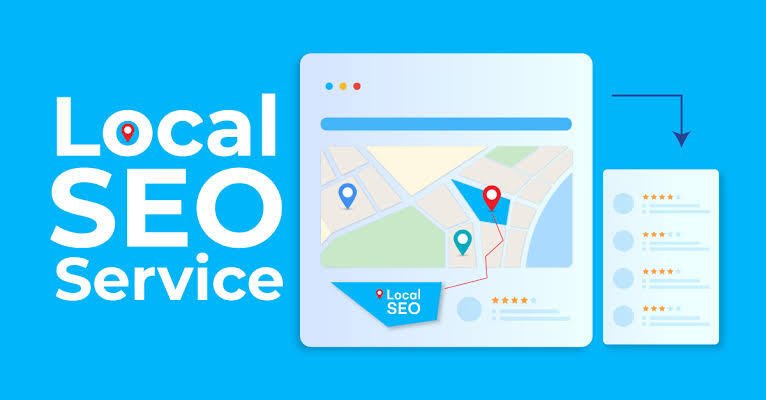
If your business serves a specific city or region — a gym, real estate agency, restaurant, or local service provider — local SEO is often more valuable than competing for broad national keywords. Here’s how to actually rank in local search.
What Local SEO Targets Specifically
Local SEO focuses on two main visibility zones: the Google Map Pack (the three-listing map result that appears for local searches) and organic local rankings (regular search results for location-specific queries like “gym in [city]”).
Step 1: Claim and Fully Optimize Your Google Business Profile
This is the single highest-impact step in local SEO. A complete, accurate Google Business Profile (formerly Google My Business) directly influences Map Pack rankings.
- Fill out every available field — business category, hours, service area, phone number, website
- Add real photos of your business, not stock images
- Keep your business name, address, and phone number (NAP) exactly consistent with every other place it appears online
- Post updates regularly — active profiles tend to perform better than dormant ones
Step 2: Get Consistent NAP Citations
A “citation” is any online mention of your business name, address, and phone number — directories, industry listings, local news mentions. Consistency matters more than volume here: a mismatched address or phone number across different citations actively confuses search engines about which information is accurate.
Step 3: Collect Genuine Reviews
Review count and rating are strong local ranking signals, and they also directly affect whether a searcher actually clicks your listing over a competitor’s.
- Ask satisfied customers directly for reviews rather than hoping they happen organically
- Respond to reviews — both positive and negative — which signals an active, engaged business
- Never buy fake reviews; platforms actively detect and penalize this, and it damages real trust
Step 4: Optimize Your Website for Local Keywords
Beyond your Google Business Profile, your actual website should reinforce local relevance:
- Include your city/region naturally in title tags, headers, and page content
- Create location-specific pages if you serve multiple areas (a real estate agency covering three cities should have distinct pages for each, not one generic page)
- Embed a Google Map on your contact page
- Include your NAP information in your website footer, matching your Google Business Profile exactly
Step 5: Build Local Backlinks
Links from other local businesses, local news sites, or community organizations carry strong local relevance signals:
- Sponsor local events or organizations (often includes a website mention/link)
- Get listed in local business associations or chambers of commerce
- Partner with complementary local businesses for cross-promotion and linking
Step 6: Use Location-Specific Schema Markup
Adding LocalBusiness schema markup to your website helps search engines clearly understand your business type, location, hours, and contact details — supporting both regular rankings and rich result eligibility.
Common Local SEO Mistakes
- Inconsistent NAP information across directories and your own website
- Ignoring or never responding to reviews
- Using a generic, non-local-optimized homepage for a business serving a specific area
- Neglecting to update hours/information seasonally, leading to inaccurate Google Business Profile data
Final Takeaway
Local SEO rewards accuracy and consistency more than raw content volume — a fully optimized Google Business Profile, consistent citations, and genuine reviews will outperform a content-heavy site with sloppy local fundamentals almost every time.